2024-08-31 15:05:00 ∙ Reading Time: 11 minutes
Transform Your Life: A Comprehensive Guide to Successful Weight Loss Surgery
Are you struggling to lose weight through traditional methods? When diets and exercise just don't seem to be enough, weight loss surgery can offer a life-changing solution. In this comprehensive guide, we will explore everything you need to know about successful weight loss surgery and how it can transform your life.
From exploring different types of surgical procedures to understanding the risks and benefits, this guide will provide you with the necessary knowledge to make an informed decision about undergoing weight loss surgery. We will also delve into the preparation required prior to surgery, the recovery process, and the post-operative lifestyle adjustments that will ensure long-term success.
Through expert insights and personal stories, we aim to empower you with the information and inspiration needed to embark on this transformative journey. Whether you're considering gastric bypass, sleeve gastrectomy, or another surgical option, this guide will provide the guidance and encouragement you need to achieve your weight loss goals.
Don't let excess weight hold you back any longer. It's time to take control of your health and transform your life through successful weight loss surgery.
Types of weight loss surgery
Weight loss surgery, also known as bariatric surgery, encompasses various surgical procedures designed to help individuals achieve significant and sustainable weight loss. The most common types of weight loss surgery include:
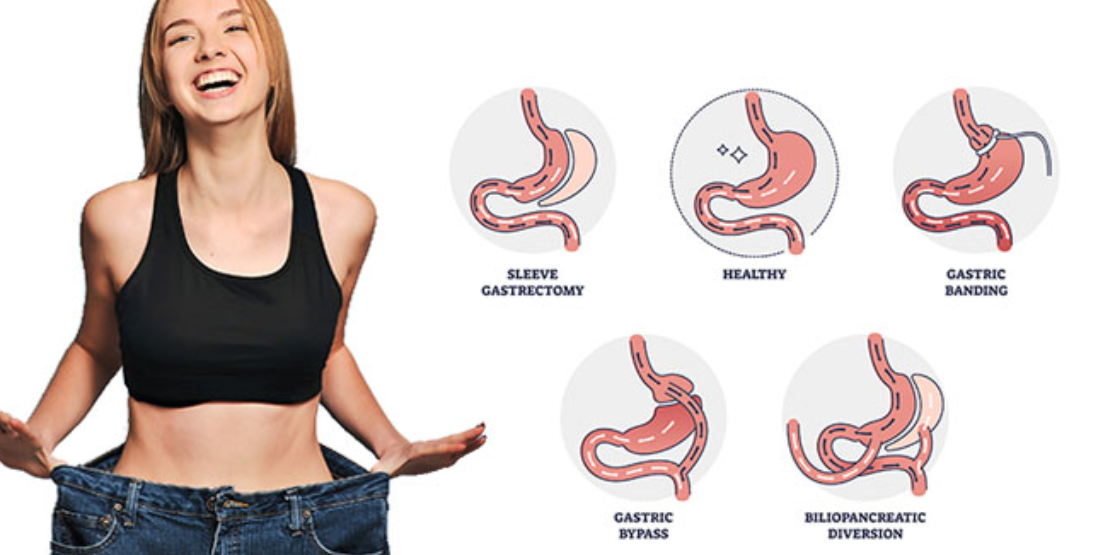
Gastric Bypass Surgery: This procedure involves creating a small pouch from the upper part of the stomach and connecting it directly to the small intestine, bypassing a portion of the stomach and small intestine. This reduces the amount of food the body can consume and absorb, leading to significant weight loss.
Sleeve Gastrectomy: Also known as a vertical sleeve gastrectomy, this procedure involves removing a large portion of the stomach, leaving a smaller, sleeve-shaped stomach. This reduces the amount of food the stomach can hold, leading to decreased hunger and calorie intake.
Biliopancreatic Diversion with Duodenal Switch: This complex procedure involves removing a large portion of the stomach and rerouting the small intestine to reduce the absorption of calories and nutrients. It is typically reserved for individuals with severe obesity or those who have not achieved success with other weight loss surgeries.
Each type of weight loss surgery has its own unique benefits, risks, and considerations. It's essential to work closely with a qualified healthcare team to determine the most appropriate surgical option based on your individual circumstances, health history, and weight loss goals.
Benefits and risks of weight loss surgery
Weight loss surgery can offer a range of benefits for individuals struggling with obesity or excess weight. Some of the key benefits include:
Significant and Sustained Weight Loss: Bariatric procedures can lead to substantial weight loss, often resulting in the loss of 50-80% of excess body weight. This weight loss is typically maintained long-term, provided the individual adheres to the necessary lifestyle changes.
Improved Health Outcomes: Weight loss surgery has been shown to improve or even resolve a number of obesity-related health conditions, such as type 2 diabetes, high blood pressure, sleep apnea, and certain types of cancer.
Enhanced Quality of Life: Achieving significant weight loss can lead to improved physical mobility, increased energy levels, and a boost in self-confidence and self-esteem. This can have a profound impact on an individual's overall quality of life.
However, it's important to be aware of the potential risks associated with weight loss surgery, which may include:
Surgical Complications: As with any surgical procedure, there is a risk of complications, such as bleeding, infection, or adverse reactions to anesthesia.
Nutritional Deficiencies: Certain weight loss surgeries can lead to malabsorption of essential nutrients, requiring lifelong vitamin and mineral supplementation to prevent deficiencies.
Gallstone Formation: Rapid weight loss can increase the risk of gallstone formation, which may require additional treatment or surgery.
Dumping Syndrome: This condition can occur after gastric bypass surgery, causing nausea, vomiting, and diarrhea when consuming certain foods.
It's crucial to work closely with a qualified healthcare team to fully understand the risks and benefits of weight loss surgery and to ensure that the chosen procedure is the most appropriate for your individual needs and health status.
Qualifying for weight loss surgery
To be considered for weight loss surgery, individuals typically need to meet certain criteria established by healthcare professionals and insurance providers. These criteria may include:
Body Mass Index (BMI): Most insurance providers require a BMI of 40 or higher, or a BMI of 35 or higher with the presence of at least one obesity-related health condition, such as type 2 diabetes or high blood pressure.
Failed Attempts at Weight Loss: Individuals must have tried to lose weight through traditional methods, such as diet and exercise, without achieving long-term success.
Medical Evaluation: Candidates for weight loss surgery undergo a comprehensive medical evaluation to assess their overall health, identify any underlying conditions, and determine the most appropriate surgical option.
Psychological Evaluation: A mental health assessment is often required to ensure that the individual is emotionally and psychologically prepared to undergo the surgery and make the necessary lifestyle changes.
Commitment to Lifestyle Changes: Weight loss surgery is not a quick fix; it requires a lifelong commitment to dietary changes, regular exercise, and ongoing medical follow-up. Candidates must demonstrate a willingness to make these changes for the best possible outcomes.
The qualification process can vary depending on the healthcare provider and insurance requirements, so it's essential to work closely with your healthcare team to understand the specific criteria and ensure that you meet the necessary requirements for weight loss surgery.
Preparing for weight loss surgery
Preparing for weight loss surgery is a crucial step in the journey to successful weight loss and improved health. The pre-operative preparation process typically includes the following:
Medical Evaluation and Clearance: Candidates will undergo a comprehensive medical evaluation, including physical exams, laboratory tests, and consultations with various healthcare professionals, such as a bariatric surgeon, dietitian, and mental health specialist.
Dietary Changes: In the weeks or months leading up to the surgery, individuals will be required to follow a specific pre-operative diet, often involving a low-calorie, low-carbohydrate regimen to help shrink the liver and reduce the risk of complications during the procedure.
Exercise Routine: Establishing a regular exercise routine before surgery can help improve overall fitness, reduce the risk of complications, and prepare the body for the physical demands of the recovery process.
Psychological Preparation: Candidates may participate in counseling or support groups to address any emotional or psychological barriers to weight loss, as well as to develop coping strategies for the post-operative lifestyle changes.
Quit Smoking: Smoking can significantly increase the risk of complications during and after weight loss surgery, so candidates are typically required to quit smoking for a specific period before the procedure.
Financial Planning: Individuals should review their insurance coverage and understand any out-of-pocket costs associated with the surgery and the ongoing care required after the procedure.
By taking the necessary steps to prepare for weight loss surgery, candidates can improve their chances of achieving successful and sustainable weight loss, as well as minimize the risk of complications and ensure a smooth recovery process.
The weight loss surgery procedure
The weight loss surgery procedure itself can vary depending on the specific type of surgery being performed. However, the general process typically follows these steps:
Anesthesia and Incisions: The patient is given general anesthesia, and the surgeon makes small incisions in the abdomen to access the stomach and small intestine.
Stomach Modification: Depending on the type of surgery, the surgeon will either create a small pouch from the upper part of the stomach (gastric bypass) or remove a large portion of the stomach (sleeve gastrectomy).
Intestinal Rerouting: For gastric bypass surgery, the surgeon will then reconnect the small intestine to the newly created stomach pouch, bypassing a portion of the small intestine.
Closure: The incisions are then closed using sutures or staples, and the patient is moved to the recovery area.
The entire procedure typically takes 2-4 hours, depending on the complexity of the surgery and the surgeon's experience. During the procedure, the surgeon will closely monitor the patient's vital signs and make any necessary adjustments to ensure a safe and successful outcome.
After the surgery, the patient will be closely monitored in the hospital for several days to ensure a smooth recovery and to address any immediate post-operative complications. The length of the hospital stay can vary depending on the type of surgery and the individual's recovery progress.
It's important to note that weight loss surgery is a major medical procedure and should only be performed by a qualified and experienced bariatric surgeon. Patients should carefully research and select a surgeon with a proven track record of successful outcomes and a commitment to providing comprehensive, personalized care.
Life after weight loss surgery
Life after weight loss surgery can be transformative, but it also requires a significant commitment to maintaining the necessary lifestyle changes. Patients can expect the following as they adjust to their new way of life:
Ongoing Dietary Adjustments: Patients will need to adhere to a carefully structured diet that limits portion sizes, focuses on nutrient-dense foods, and avoids high-calorie, high-fat, and high-sugar items.
Regular Exercise: Maintaining a consistent exercise routine is crucial for sustaining weight loss and preventing weight regain. Patients will be encouraged to engage in a variety of physical activities, such as walking, swimming, or strength training.
Vitamin and Mineral Supplementation: Due to the changes in the digestive system, patients will need to take a variety of supplements to ensure they are getting the necessary nutrients for overall health and well-being.
Ongoing Medical Monitoring: Patients will need to attend regular check-ups with their healthcare team, including their bariatric surgeon, primary care physician, and nutritionist, to monitor their progress and address any issues that may arise.
Emotional and Psychological Support: The significant changes in appearance, body image, and overall lifestyle can be emotionally and psychologically challenging. Patients may benefit from counseling or support groups to help them navigate these adjustments.
Celebration of Milestones: Patients should take the time to celebrate their weight loss achievements and the positive changes in their health and well-being, as this can help maintain motivation and reinforce the importance of their ongoing commitment to a healthier lifestyle.
By embracing the necessary lifestyle changes and working closely with their healthcare team, patients can achieve long-term success and enjoy the numerous benefits of weight loss surgery, including improved physical health, enhanced quality of life, and greater self-confidence.
Maintaining weight loss
Maintaining weight loss after weight loss surgery is a crucial aspect of the journey to better health. Patients can take the following steps to ensure long-term success:
Adherence to Dietary Guidelines: Strictly following the dietary recommendations provided by the healthcare team, including portion control, nutrient-dense food choices, and avoiding high-calorie, high-fat, and high-sugar items, is essential for preventing weight regain.
Consistent Exercise Routine: Engaging in regular physical activity, such as cardiovascular exercise, strength training, and flexibility exercises, can help patients maintain their weight loss and improve overall fitness.
Ongoing Monitoring and Adjustments: Patients should attend regular follow-up appointments with their healthcare team to monitor their progress, address any issues or concerns, and make necessary adjustments to their diet, exercise, or medication regimen.
Participation in Support Groups: Joining support groups, either in-person or online, can provide patients with the emotional and social support they need to stay motivated and accountable throughout their weight loss journey.
Addressing Psychological Challenges: Dealing with the emotional and psychological aspects of weight loss, such as body image issues, can be crucial for maintaining long-term success. Patients may benefit from counseling or other mental health resources to help them navigate these challenges.
Celebrating Successes: Recognizing and celebrating the milestones and achievements along the way can help patients stay motivated and reinforce the positive changes they have made in their lives.
By consistently implementing these strategies and working closely with their healthcare team, patients can increase their chances of maintaining their weight loss and enjoying the long-term benefits of their weight loss surgery.
Conclusion
Weight loss surgery can be a life-changing solution for individuals struggling with obesity or excess weight when traditional methods have failed. By understanding the different types of surgical procedures, the potential benefits and risks, and the comprehensive preparation and recovery process, individuals can make an informed decision about whether weight loss surgery is the right choice for them.
The journey to successful weight loss and improved health through weight loss surgery requires a significant commitment to lifestyle changes, ongoing medical monitoring, and a supportive network of healthcare professionals and loved ones. However, the rewards of this transformative process can be immense, including improved physical health, enhanced quality of life, and a renewed sense of confidence and well-being.
If you or someone you know is considering weight loss surgery, we encourage you to explore this comprehensive guide and take the first step towards a healthier, more fulfilling life. With the right mindset, dedication, and support, the power to transform your life through weight loss surgery is within your reach.